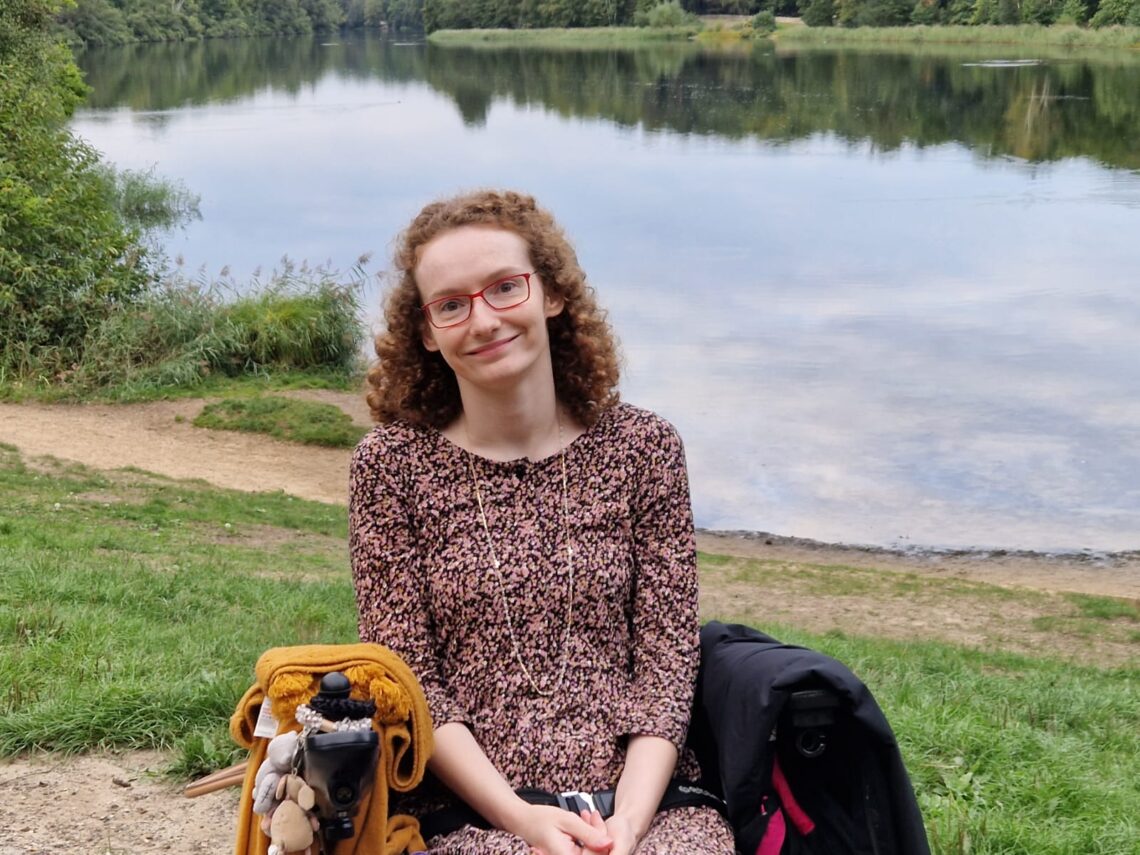
Stereotypes and The Assumptions They Make
Stereotypes are something that are all around us. Pigeon holing, and making assumptions around/about us because of the way we look, our age, colour of our skin, where we live, gender or disability.
Stereotypes and the assumptions they make often cause harm or mislead people.
A List of a Few Stereotypes People Have About Disabled People.
Stereotypes About Mental Ability and Mobility Aids
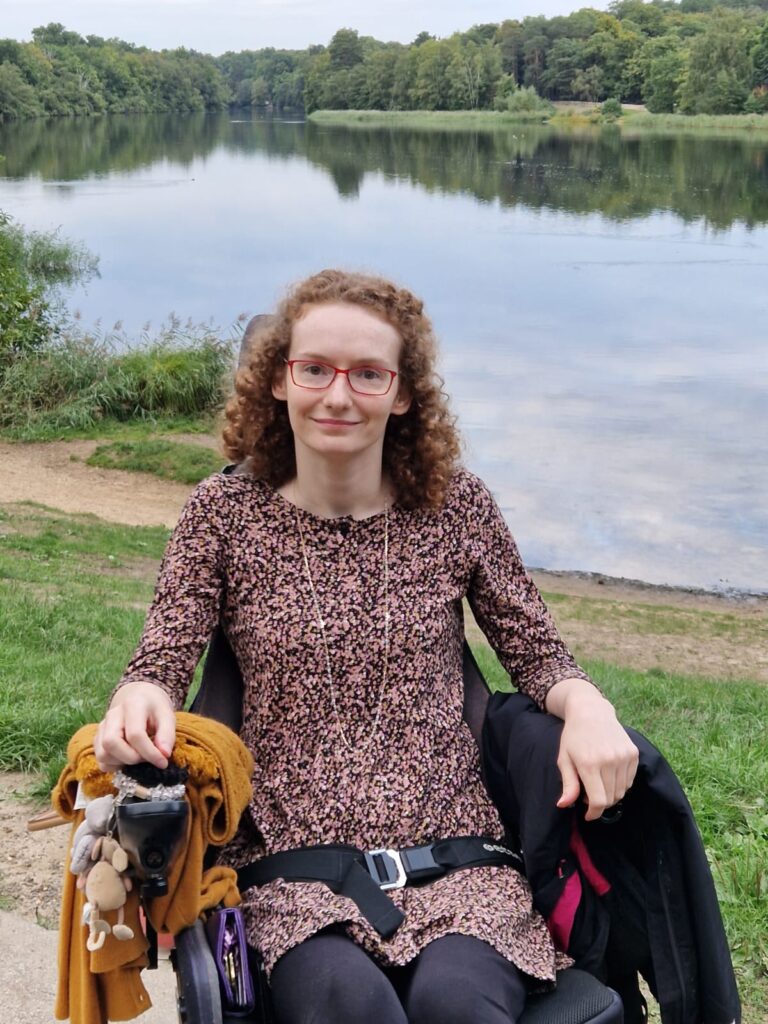
- Disabled people are stupid. Especially thinking about wheelchair users, people assume your brain doesn’t work. It always gets me this one, as someone whose brain has not been affected by my disability, why overnight I can just ‘sit down’ and be incapable of doing anything remotely intellectual! It completely baffles me. Also disabled people who are non-verbal. They might not be able to communicate in the way most people do, but it doesn’t mean they are not intellectually capable.
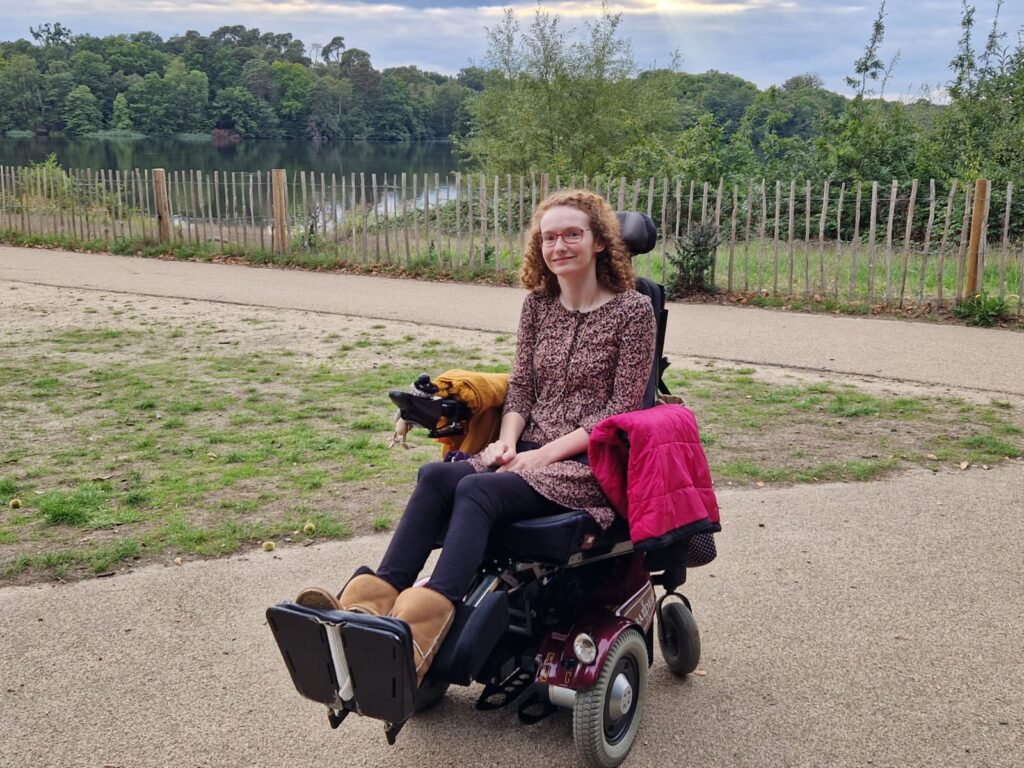
- Using a mobility aid is a negative thing or a sign of weakness/giving up. Absolutely not! Sometimes we all have to realise our limitations and if you can’t do something, recognising you need help is a strength. It can be hard for individuals to accept they need to use an aid and these stereotypes really don’t help. Furthermore, for individuals like myself my powerchair is a lifeline. Without it I would not have a life. So surely my powerchair is a positive thing, it enables me?
Stereotypes About Sport, Work and Benefits
- Disabled people are Paralympians or benefit scroungers. Some disabled people are Paralympians but only a few. There are probably quite a few disabled people on benefits, but justifiably. They need, and deserve support. There are also a lot of disabled people who work and do the things non-disabled people do. However, society seems to struggle with the concept of the ‘middle man’, and have these two extreme views.
- If you do sport then you are going to be a Paralympian. No, the Paralympians are talented athletes like Olympians. In my view, more talented for all the extra obstacles they have navigate to achieve their success. As a non-disabled person, when you do sport do you get asked whether you are going to be an Olympian?
Not all disabled people are going to become Paralympians
Assumptions About PA’s, Relationships and Being a Parent
- Every disabled person has a carer/PA. This isn’t true. Some people can manage independently themselves doing things a different way.
- That someone who accompanies a disabled person is their carer. No, sometimes it is their partner or spouse. This is not something I have experienced myself, but heard a lot about. Furthermore, the partner does not need the sympathetic look, and nod of the head, like ‘aren’t you good’. I am sure they love them for who they are and yes maybe they also have a disability, but if it is true love, then I would have thought that doesn’t matter.
- Disabled people are not good parents. I have a couple of disabled friends who have children and they are incredible parents, so I would completely disagree with this.
Stereotypes About Life and Health
- Disabled people have terrible lives. Don’t get me wrong being disabled is hard. However, many disabled people lead fulfilling lives. Obviously, what that looks like is different from person to person as it would be across society. Nevertheless, it may include family, friends, partner/spouse, children, working, hobbies etc.
- Disabled people don’t go out. I think this very much depends on the disability, and indeed there may be periods of time they can’t go out, due to needing bed rest for a pressure sore for example. Nevertheless, some disabled people live a very active life, going out to work, socialising, travelling around the country, and abroad to name a few. It just takes more effort and organisation.
- All disabled people are vulnerable. Vulnerable is not a good word, and the influence it had on the news during the pandemic was not helpful. Some disabled people have illnesses, and disabled people in general are more likely to have additional health issues, however some disabled people would not classify themselves as ill, just disabled.
Every disability is different so don’t make a blanket rule.
I would love to know what stereotypes you have come across, both disability and non disability related. Let me know in the comments below.
Remember, everyone is different don’t make assumptions or stereotype.
Hannah x
You may also be interested in reading: One thing You Wish Non-disabled People Knew or Understood


You May Also Like

Hello! Welcome to Hannah’s Hope!

Manic May!
