
PIP-Disability benefit-What is Happening?
In March 2025, the UK government announced several ways of cutting benefits including PIP and Universal Credit to disabled people. The aim was to help cut the welfare bill. Get more working aged disabled adults currently on benefits into jobs.
Targeting those who are already disproportionately affected by poverty. Targeting those who have extra costs of on average of £1010 a month researched by Scope.
The proposals are confusing and complicated, not easy to understand. Even I don’t fully understand the full extent of the outcome, and how I will be affected. It will affect PIP and Universal Credit (UC).
Personal Independence Payment (PIP) is the benefit cut that disabled people are the most upset about.
What Is PIP- The Facts
- PIP is a benefit to assist with the extra costs of having a disability.
- PIP is NOT an out of work benefit. (Even many MPs and news presenters get this wrong on interviews.)
- Many disabled people work and receive PIP.
- Not all disabled people are entitled to PIP.
- There are two components the daily living- if you need help with everyday tasks and mobility part-if you need help with getting around.
- There are two levels for each part- standard or enhanced. The current rates (2025/26) are: standard daily living £73.90 and mobility £29.20; enhanced daily living £110.40 and mobility £77.05 (per week).
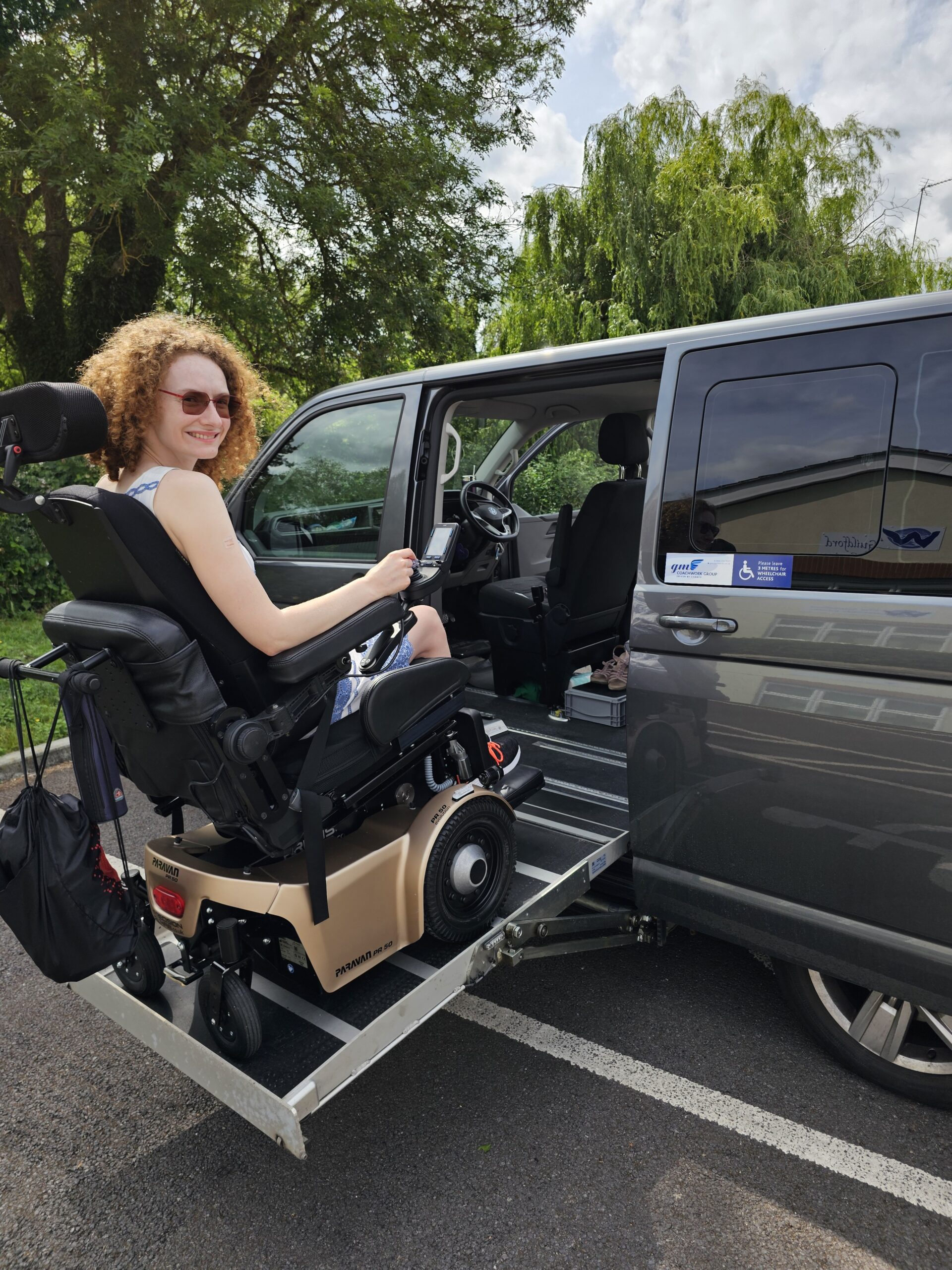
Many people who have the enhanced mobility component (including myself) use this towards leasing a car or wheelchair accessible vehicle on the Motability scheme (and don’t then receive that component). However, only people who have the enhanced mobility component are entitled to this option. There is also a down payment for the disabled person to pay and the vehicle is only leased by the disabled person, not owned.
What are Extra Costs?
Extra costs are different depending on disabilities. My extra costs include: servicing of my powerchair, parts and maintenance for my powerchair. To give you specific examples in the first 5 months of 2025, servicing £141, new powerchair batteries £545.60, extended warranty (which I am lucky I have as they have just paid £2400 for a new motor for my powerchair). Powerchair and manual wheelchair insurance, oxygen therapy weekly sessions (to help with pain and fatigue), aids, oxygen concentrator, specialist splints, ramps, additional fuel, personal care items, house adaptations and more.
Then there is significant amounts of additional electricity due to all my electrical equipment: electric profiling bed and air flow mattress on 24/7, charging my powerchair every night, height adjustable desk to name a few.
Additional heating and hot water bottles, as I can’t move as much, I get very cold, and to help with pain.
Other examples of Extra costs
For others, extra costs could look like: prepared vegetables when people can’t chop them themselves, certain foods if someone has allergies or is intolerant, other therapies not funded to help relieve pain or debilitating symptoms or counselling, house adaptations, communication devices, screen readers, care or support, sensory aids, adaptive clothing, accessible taxis. The list could go on.
How Does PIP Help Me?
I use my mobility component of PIP towards the lease of my wheelchair accessible vehicle (WAV), which is a lifeline.
For me my powerchair and WAV are two of the most important pieces of equipment, and my life would be so restricted and reduced in quality if I didn’t have them.
My WAV is my only method of transport.
The daily living component helps me with some of the extra costs I have identified above.
It is important to remember disability can affect anyone at any time.
The cost of WAVs
Wheelchair accessible vehicles are not just cars they are lifelines in giving many disabled people access to the world.
Wheelchair accessible vehicles can cost a fortune. Furthermore it is not just the cost of the WAV and conversions it is also further adaptations of docking plates, potentially hand controls etc.
Also, as many powerchairs are so big and disabled people often have medical equipment, it is common we have to have bigger vehicles than we would like. Unsurprisingly, that means further higher costs.
Without the support of PIP, many disabled people could not afford WAVs-meaning they could not work or get out and have a life.
What I Couldn’t Do Without PIP
Without PIP I don’t know what I would do.
My life would be confined to my house, garden and the surrounding roads. Which is quite depressing, especially as someone who has spent 3.5 years bedbound, unable to go out in the world. The difference being then I couldn’t due to health. If I didn’t have PIP it would be due to not having the right financial support.
I wouldn’t be able to go to physiotherapy and hydrotherapy. I wouldn’t be able to go out and meet friends or see the world. I wouldn’t be able to go to work.
It would not make me work more because I am already pushing myself to the limit.
It Doesn’t Affect Me
Remember disability can affect anyone at any time. So please don’t just ignore this.
Reading this and understanding the potential consequences and staying informed is a good start. If you want to help, consider writing to your MP or signing the petitions on Taking The PIP, a website set up by disabled people against the PIP cuts.
If you are over 65 and have a disability you may be able to claim Attendance Allowance to help with the additional costs.
Hannah x
Check out my blog post: Helpful Tips When Looking for a WAV


2 Comments
debbie meade
Hi Hannah
Thank you so much for sending me your blog.
I saw Claire Pettit this afternoon who was singing your praises. Would it be ok if I forwarded your blog to her.
I hope you are ok
Debbie xx
Hannah Deakin
Hi Debbie,I hope you are well. You are welcome. Thank you,that is lovely you saw Clare. Yes, happy for you to share 🙂 Hannah x